The 10-Point Checklist for Evaluating a Mural Before You Share It
You round a corner, see a new mural, and your thumb is already on the share button. That impulse is understandable. Street art is made for the street, and photographs help it travel beyond the wall. But a quick post can also flatten the story: the wrong artist, the wrong neighborhood, a caption that calls a weathered piece “brand new,” or a location pin that sends people into someone’s courtyard. A little checking changes what you publish. The checklist below is the one to run through before you post—whether you are sharing to a story, a feed, a group chat, or a community map.
Why the Wall Deserves a Second Look
Murals are not paintings in a climate-controlled room. They live with rain, sun, buses, heat, and the occasional tag. What looks like a deliberate shadow might be water damage; what looks like a faded color might be a later overpainting. When you describe a mural online, you are also describing a place and a moment. Getting condition and context right is not pedantry. It is the difference between a useful record and a misleading one.
The same goes for credit. An artist’s name is not a hashtag decoration; it is the minimum courtesy for work that was often made for free or for a small fee. A mural may be unsigned, painted over, or one of several versions on the same wall. Your photo can help clarify that—or make the confusion worse.
The 10-Point Checklist
Work through these in order. You do not need to answer every question with certainty before posting. You do need to know which answers are solid and which are guesses.
The checks, in order
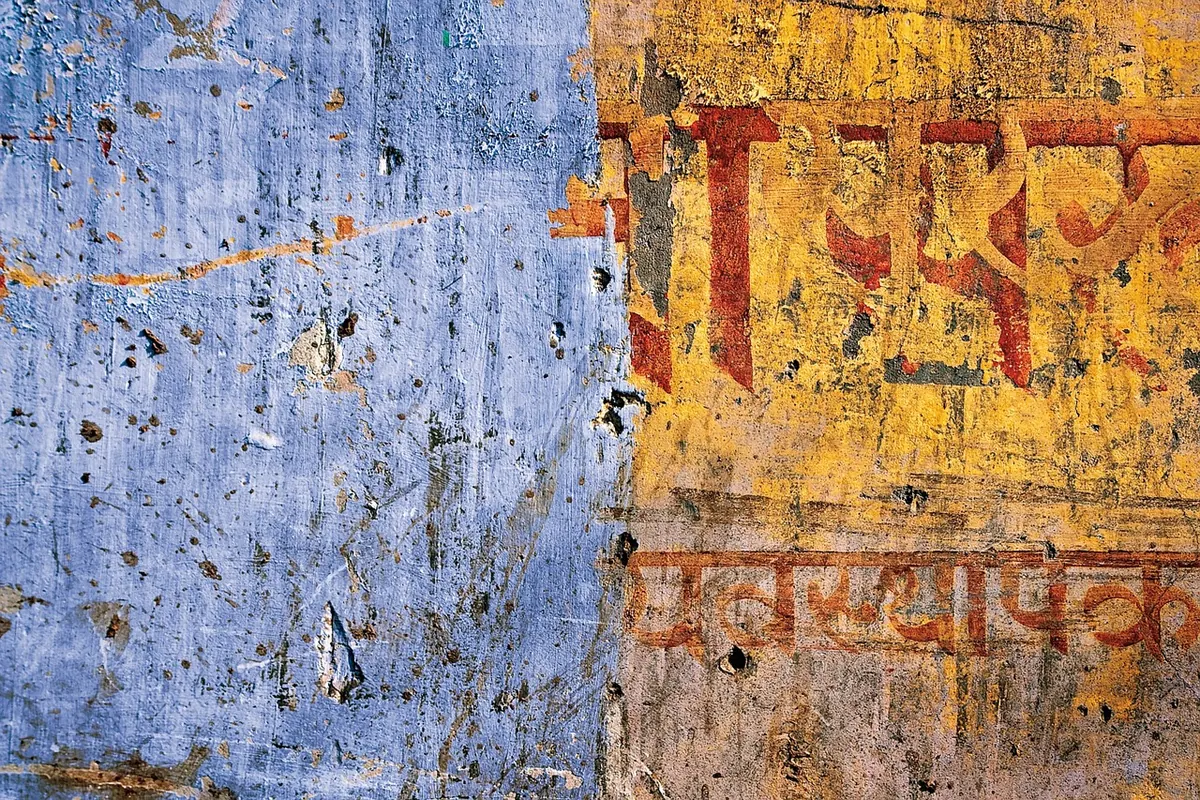
- Condition. Look closely at the surface. Are there cracks, peeling edges, water streaks, rust blooms, or fresh graffiti over the original? Photograph the damage separately if you plan to discuss it. Avoid captions like “just finished” unless you know the date. “Recently painted” is safer than “new” when you are guessing.
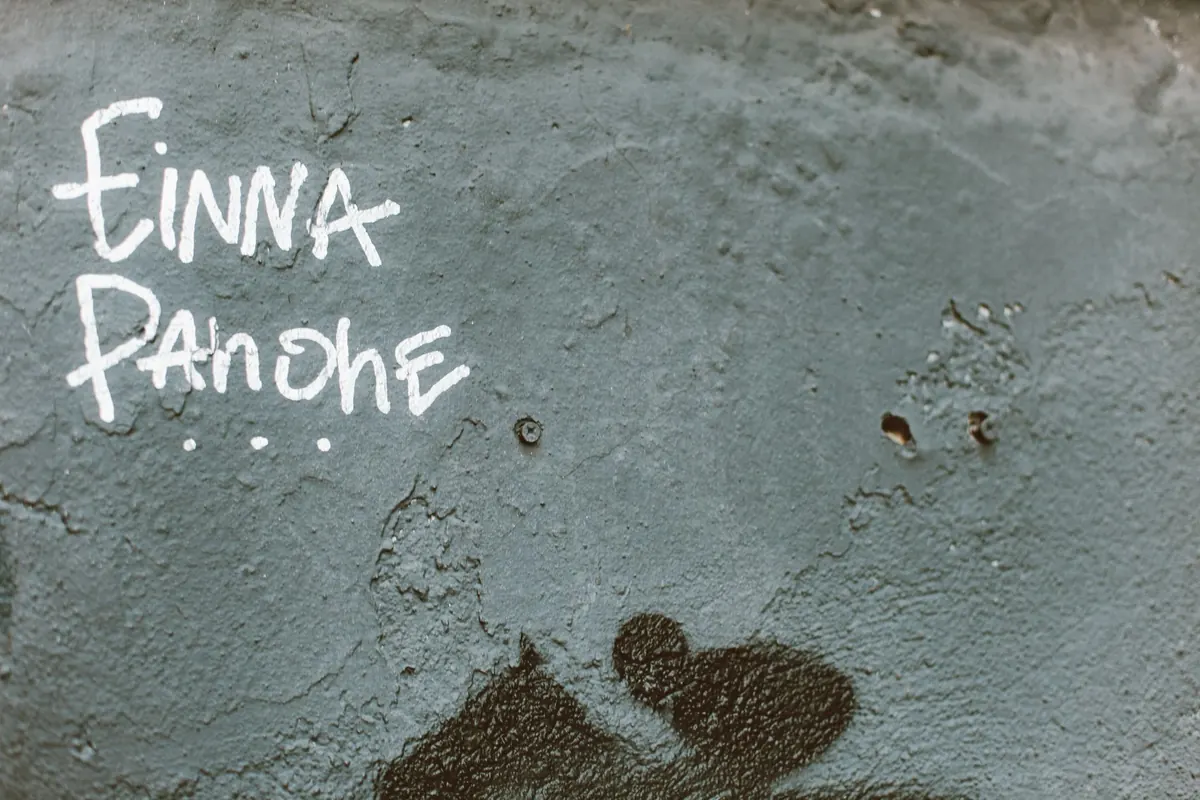
- Signature and marks. Scan the bottom corners, the wall beside the image, and the edges of the frame. Signatures are often small: initials, a date, a collective name, a handle. Take a close, sharp photo. If you cannot find one, say “unsigned” rather than attributing the work to the first name that comes up in a search.
- Location, precisely. Note the street, the nearest cross street, the side of the building, and a landmark that will still exist next year. “Near the station” is not enough. A precise location helps future visitors, helps researchers, and reduces the chance that your post sends people to the wrong wall.
- Permission and access. Is the wall public, private, or part of a festival or commission? Is there a plaque, a project map, or an organizer’s sign? If you cannot tell, do not declare the work legal or illegal. Say what you see: “on a private wall,” “part of the festival route,” or “permission status unclear.”
- Commissioned or independent. A commissioned mural often has a title, a sponsor, and a fixed run. An independent piece may be painted over next week. Treat each with the same care, but do not describe one as the other. If a sponsor logo is visible, mention it only if it helps explain the work.
- Title and project. Search the artist’s name with the street name, not just the city. Many murals are listed on festival pages, artist sites, or local archives. If you find a title, use it exactly. If you find two conflicting titles, note the source or leave the title out.
- Artist’s preferred credit. Check how the artist writes their name: accents, spacing, a collective versus an individual, a handle versus a legal name. Do not shorten a name to fit a caption. If the work is by a duo or a crew, credit the group as they do. When in doubt, use the name on the wall or the artist’s own profile.
- Your image rights. Did you take the photo? If yes, you still need to think about people in the frame and private property. If the photo is someone else’s, ask before reposting or use a share feature that preserves credit. Screenshotting and cropping out a watermark is not credit.
- People and privacy. Are there children, residents, or workers clearly identifiable? A mural photo can reveal a home, a school gate, or a courtyard. Crop faces or wait for a clearer frame. Do not geotag a residential entrance if the post is likely to draw a crowd.
- The wider context. What is next to the wall? A place of worship, a clinic, a construction site, a quiet residential lane? Add a practical note if access is limited or if the wall is fragile. And if the mural addresses a local story, avoid reducing it to “cool street art” without naming the neighborhood.
Credit Is More Than a Tag
Crediting an artist is not a complicated legal procedure, but it does require a moment of attention. The most common mistakes are small: a missing accent, a collective reduced to one member, a handle copied from a fan account. Those errors travel. Once a wrong name is attached to an image, it can be repeated for years. Use the artist’s own spelling, and if you are quoting a title, keep the punctuation.
If the wall is unsigned and you cannot verify the artist, write that plainly. “Artist unknown” is a better caption than a confident guess. If a source says “attributed to,” use that wording too. It tells readers what is known and what is not.
Permission, Access and the Law
Permission is the point where enthusiasm often outruns knowledge. A mural can be fully legal on a council wall, tolerated on a private wall, or painted without permission. You do not have to solve that question before posting, but you should not misrepresent it. Look for signs: a festival banner, a plaque, a project map, a business logo, a fresh coat of primer on a neighboring wall. Those clues are not proof.
If you plan to publish commercially, license the image, or organize a visit, seek local advice. Rules about public art, copyright, and photography vary by city and country, and a local professional can tell you what applies. For an ordinary social post, the sensible rule is simple: describe what you can see, avoid legal claims, and do not encourage trespass.
Captioning with Care
Your caption is part of the work’s public record. Keep it short, but make it accurate. A useful pattern: artist name, title if known, street or neighborhood, and one detail about condition or context. For example: “Untitled mural by [artist], on [street], photographed after rain; the lower corner is peeling.” That is more useful than “Obsessed with this wall.”
If you are posting a detail shot, say so. If you have edited the image—straightened, cropped, boosted contrast—mention it when the change affects how the mural reads. Do not use filters that alter the colors if you are presenting the photo as a record. A vivid image is fine; a misleading one is not.
A Final Walk-Around
Before you hit share, take one slow walk around the wall. Look at the edges, the base, the corners, and the street behind you. Check your photo for a signature you missed. Read your caption aloud and ask whether it claims more than you know. Then post.
A mural can survive a bad photo. It has a harder time surviving a wrong credit, a careless location pin, or a caption that turns someone’s home into a backdrop. The extra minute is worth it—for the artist, for the neighborhood, and for the next person who finds the wall because of you.
Photo: ha11ok / Pixabay