A Seasonal Guide to Street Art Festivals in Italy: Spring Through Autumn
Italy's street art calendar doesn't run on a tidy national schedule. It runs on weather, school holidays, harvests and the stubborn enthusiasm of a few dozen volunteers who decide in February that their town needs eleven new walls by June. That looseness is part of the appeal, but it makes planning harder than booking a museum ticket. The good news: once you understand how the season breathes — a spring surge, a hot and messy summer, a calmer and often better autumn — you can arrange a trip that puts you in front of fresh paint instead of a locked gate.
The shape of the season
Most Italian mural festivals open between April and June. Municipal budgets, mild weather and the start of the tourist season all push organisers toward late spring, and it's the period when you're most likely to catch scaffolding, cherry pickers and artists sketching on a wall at eight in the morning.
July and August are the loudest months but not always the most productive. Heat in the south and centre can push painting to dawn and dusk, and many artists work on large facades that won't be finished until September. Autumn closes the loop: the walls are done, the light is low and golden, and the crowds have thinned.
Two things to keep in mind before you start mapping anything. First, plenty of Italian festivals are biennial or simply skip a year, so a festival you read about in a 2019 blog post may not exist this spring. Second, the small-town model dominates: five to fifteen walls, a handful of invited artists, a weekend of talks and a lot of locals standing around watching. That intimacy is the point.
Spring: the season of wet paint
Spring is for people who like process. You'll see half-finished pieces, artists eating lunch on a doorstep, and the strange moment when a wall goes from a grid of primer to something with a face in it. Festivals in this window often lean on regeneration stories: a depopulated borgo, a disused school, a ring road nobody photographs.
Good examples of the type, worth checking for current editions, include Memorie Urbane, which has spread murals across Gaeta, Terracina and Fondi in Lazio; Borgo Universo in Aielli, Abruzzo, which wrapped a small mountain village in paint and astronomical imagery; Superwalls in Padua; and Altrove in Catanzaro. Dates shift year to year, so treat any listing as provisional until the festival's own channels confirm it.
What to expect on the ground
Rain is the main spoiler. Acrylic on plaster doesn't like a wet week, and schedules slide by days rather than hours. Guided walks often run in the late afternoon, when the light softens, and opening events tend to be modest: a table with a map, someone with a microphone, a bar doing good business.
How to plan around it
Book accommodation in the town itself rather than the nearest city. In a village of four hundred people, the evening is where the festival actually happens, and the last bus leaves early. Bring shoes you don't mind getting dusty, and check whether the walls are walkable in a loop or scattered across a valley — that determines whether you need a car.
Summer: long light, hard heat
Summer festivals attract the biggest names and the biggest walls, partly because artists have more free weeks and partly because a finished mural photographs well against a blue sky. Coastal towns in Puglia, Sicily and Sardinia use street art as a second draw alongside the beach, and evening events often merge with sagre, the local food festivals.
The trade-off is discomfort. Midday in Naples or Palermo in July is not walking weather, and you'll enjoy the work more if you start at seven, break between one and four, and go out again in the evening. Many artists paint at night under floodlights; ask around, because the crowd usually knows where.
Also expect works in progress. A wall that looks unfinished in early August may be the best thing in town by mid-September. If you're chasing a specific piece you saw online, check whether the photo was taken at the inauguration or during the build.
Autumn: the best viewing, if you dress for it
September and October are, for my money, the smartest months to travel for walls. The paint is finished, the summer crowds have gone, and the low sun rakes across facades in a way that flattens nothing. Harvest season also means markets, chestnuts and a general willingness among locals to talk.
Two caveats. Rain returns, and it can cancel a walking tour without warning, so keep a backup town or a museum in your pocket. And the light dies early — by late October, sunset is around five in the afternoon, which is beautiful but leaves a short window for photography. November is quieter still, though many smaller festivals have packed up their information points by then.
How to read a festival programme
Italian festival sites are usually informative and occasionally chaotic. A few checks will save you a wasted trip.
- Distinguish "inaugurazione" from "inizio lavori". The first means the wall is finished and being presented; the second means the artist is just starting.
- Look for "work in progress" tags. Some festivals list which walls will be live-painted during the event and on which days.
- Check the geography. A downloadable map tells you whether the murals sit within one neighbourhood or are spread over twenty kilometres of coastline.
- Find the guided walks. "Visite guidate" and "passeggiate" are often run by the curators, who will tell you why a wall faces a school or why the artist chose that particular blue.
- Ask about volunteers. Many festivals welcome help with logistics, and it's the fastest way into a conversation with the people who organised the whole thing.
- Confirm the year. Check that the page you're reading refers to the current edition, not the previous one.
A day on the ground
- Start early, before the shutters open and the streets fill.
- Find the festival information point and take a paper map; phone batteries die in the heat.
- Walk the outer walls first, then work inward toward the main square.
- Eat lunch away from the central piazza — cheaper, better, and usually where the artists are.
- Return to your favourite piece in the late afternoon, when the light has changed.
- Ask before photographing people, and never block a doorway or a shop entrance for a shot.
Planning a season around the walls
Pick two festivals, not five. A spring trip and an autumn trip are more rewarding than trying to catch everything in a single week, and a slower pace leaves room for the murals nobody advertises: the garage door in a side street, the half-faded piece from a previous edition, the stairwell the artist painted for free.
Stay in the town, eat where the volunteers eat, and check train connections before you commit — many of these places are served by a few daily services and nothing on Sundays. Book accommodation early for the main festival weekend and accept that it will be basic.
Finally, leave a note of the artist names as you go. Italian muralism is dense and connected; a name you photograph in a village in Basilicata will turn up three years later on a wall in Bologna, and being able to follow that thread is half the pleasure of travelling this way.
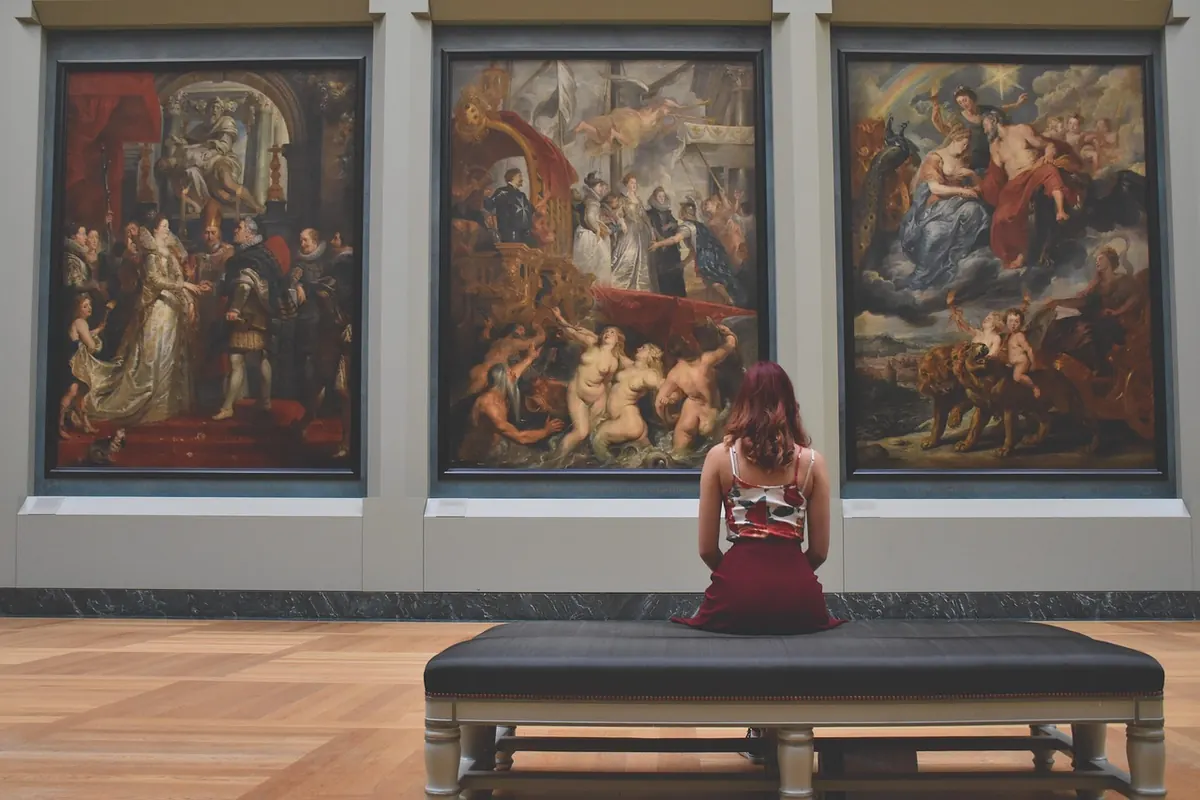
Photo: Waldemar_RU / Pixabay