A Beginner's Guide to Building a Street Art Photo Archive with Your Phone
Street art has a way of disappearing. A wall gets repainted, a shutter comes down for good, a building changes hands. The photo you took on a walk last spring may be the only record of a piece you loved. That is why a phone archive matters: not as a perfect museum database, but as a personal record you can actually use. The good news is that you do not need special equipment or a complicated app. You need a repeatable routine, a few notes, and enough discipline to keep the files from turning into a camera roll swamp.
Start with a simple capture routine
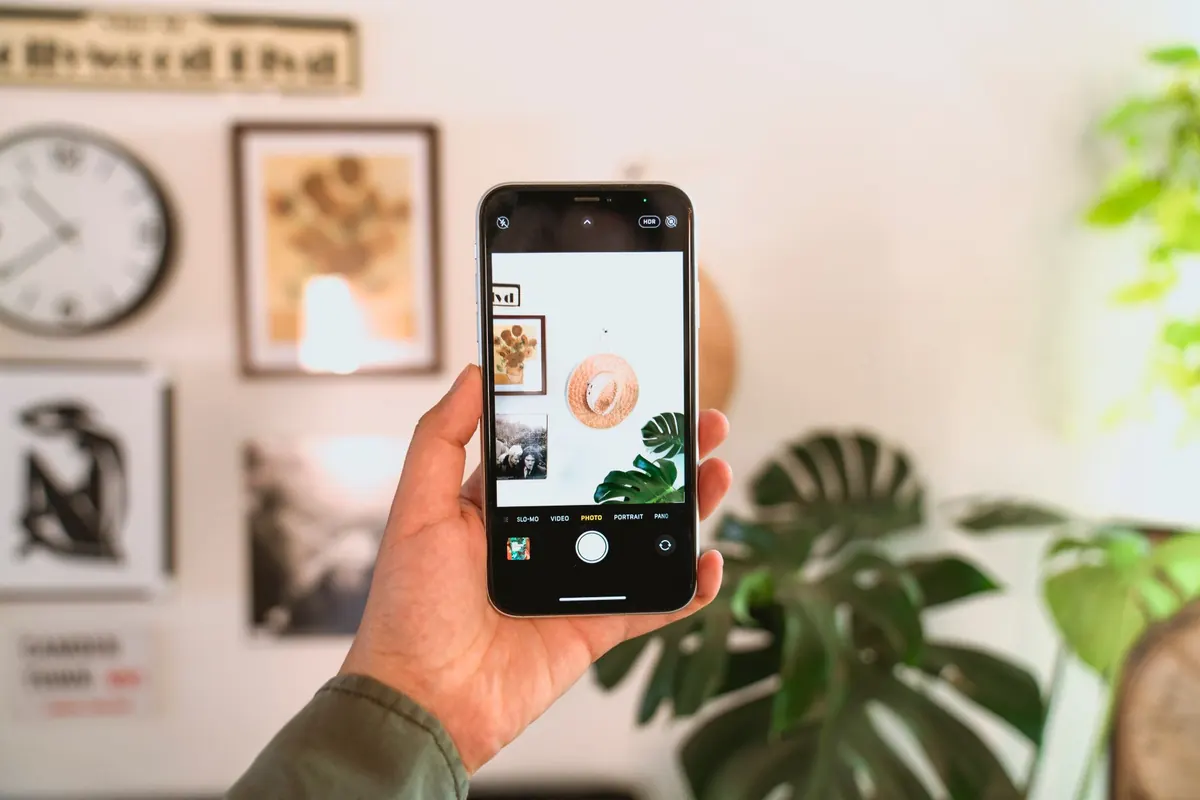
The best archive begins with fewer, better photos. When you find a piece, resist the urge to shoot twenty near-identical frames. Instead, use the default camera app, keep the lens clean, and take a short sequence that tells the whole story of the work. If the light is harsh, shade the lens with your hand. If the wall is busy, move closer rather than relying on a digital zoom.
A useful habit is the four-shot sequence:
- A wide frame that shows the wall, doorway, corner, or street context around the piece.
- A straight-on frame of the artwork itself, with the edges of the piece visible.
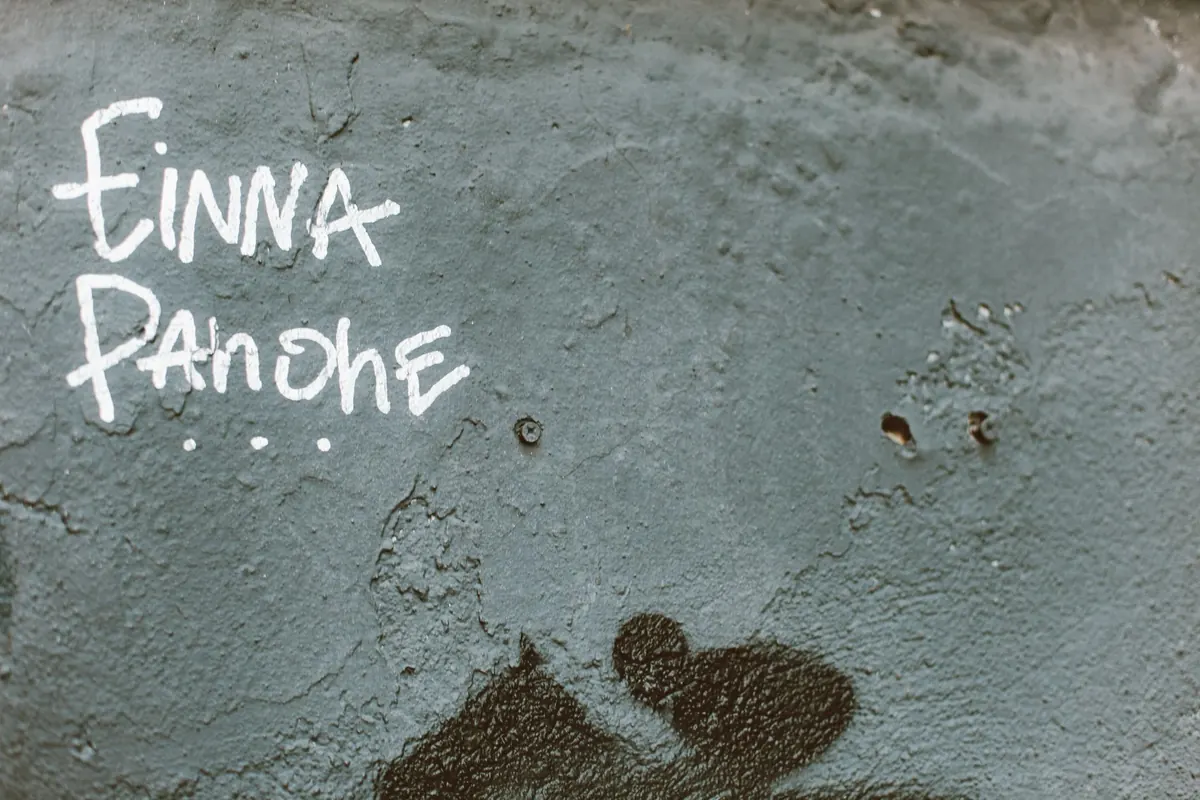
- A detail frame of a signature, tag, paste-up edge, stencil line, or texture that might help later.
- A context frame of a nearby street sign, shopfront, or landmark that makes the location easier to find again.
For long murals, take overlapping frames from left to right. For small stickers or tags, get close and keep your shadow out of the shot. Do not add filters. Slight colour correction later is fine, but the original file should stay honest. And if a piece is behind glass, at an awkward angle, or partly blocked by a car, take the best clean shot you can and make a note of what was in the way.
Record the location while it is fresh
Location is the detail most people skip. A week later, “somewhere near the station” is not much help. Before you walk away, drop a pin in your maps app or save a voice note with the nearest intersection, business name, wall side, and any useful landmark. “Under the railway arch, north side of the pedestrian underpass, opposite the blue kiosk” is a note you can work with. “Cool wall near bridge” is not.
If the address is unclear, describe the approach: which street you came from, what the building looks like, whether the piece faces a car park or a courtyard. Note the date and rough time. If the piece is on private property or inside a business, write that down too. It matters later when you are trying to remember whether a photo was taken from the pavement or through a window.
Your phone’s location data can help, but do not trust it blindly. GPS drifts in dense streets and under bridges. Treat the automatic tag as a backup, not the whole record. A short typed note takes less time than scrolling through old maps trying to reconstruct a walk.
Build a folder and naming system
Your camera roll is not an archive. It is a stream. The moment you have a few hundred street art photos, you need a structure that survives phone upgrades, cloud migrations, and the inevitable day when you cannot remember why you saved a picture of a painted doorway.
Keep the system simple enough that you will actually maintain it. A good starting point is a year folder, then a city or neighbourhood folder, then a month or trip folder if needed. For example: 2025 / Berlin / Kreuzberg, or 2025 / Bologna / Centro. Do not make “artist” your primary folder unless you are certain of every credit. Most archives begin with too many unknowns for that to work.
Use a consistent filename when you export or move files. Something like 2025-04-12_berlin-kreuzberg_artist-unknown_wide.jpg is not beautiful, but it tells you the date, place, credit status, and frame type at a glance. Avoid spaces if you plan to sync across devices. Keep the original file, and only then make edited copies for sharing.
Handle artist credits with care
Credits are where enthusiasm can turn into inaccuracy. A signature, a social handle painted beside the piece, a recognisable style, or a paste-up with a printed name are all useful clues. They are not proof. If you cannot confirm the artist, write “unknown” and move on. If you have a strong hunch, use “attributed to” rather than stating it as fact.
A credit note can be plain and still useful:
Artist: unknown. Signature: small white tag, lower right. Possible match: see artist index. Source: photographed on site, 12 April 2025. Notes: piece later painted over.
Keep an artist index as a separate note or spreadsheet tab. List each confirmed name, handle, and any alternate spellings you have seen. Handles change, crews overlap, and a tag that looks obvious in one city may be ambiguous in another. When you find a reliable source, record where it came from. Do not copy credits from social media unless you can see a clear connection.
Remember that copyright stays with the artist. A credit line is not permission to publish or sell an image. For a personal reference archive, keep your notes and sources tidy. For anything public, seek permission or check the relevant terms first. When in doubt, ask the artist or leave the image out.
Keep a lightweight catalog
Folders alone stop working once your archive grows. A simple spreadsheet gives you a searchable layer without turning a hobby into data entry. Use whatever you already have: a phone spreadsheet, a desktop app, or a plain table. One row per artwork is usually enough, even if you took four photos of it.
- Date of the photo.
- City and neighbourhood.
- Address or coordinates, plus a plain-language location note.
- Artist, confirmed or “unknown”.
- Title, if the piece has one, or a short descriptive name.
- Status: still there, painted over, unknown, or check again.
- File names for the wide, straight-on, and detail shots.
- Notes: signature, condition, source, permission, or anything odd.
Add a “last checked” column if you revisit spots. Review the catalog once a month, not every day. Fill in missing locations, correct bad credits, and merge duplicates. The catalog does not need to be perfect. It needs to answer two questions quickly: what is this, and where was it?
Back up and review your archive
An archive that lives on one phone is a temporary archive. Sync your originals to a cloud service or copy them to a computer and an external drive. Keep more than one copy, and test that the files actually open after a transfer. Do not rely on screenshots, messaging apps, or social media as your only record; those copies are compressed and easy to lose.
Once the backup is done, prune the obvious clutter: burst shots where someone walked through the frame, accidental pocket photos, duplicate exports. Be careful not to delete the only version of a piece. A monthly review is enough. Open a random folder, check that the filenames match the catalog, and fix one small thing. That small habit keeps the whole system from drifting.
Your next walk is the first entry
You do not need a perfect system before you start. On your next walk, take three useful shots, write one location note, and make one folder when you get home. Add a credit note the following week. The archive becomes valuable through small, repeated actions, not a single afternoon of organising. Start with the piece you would be sorry to lose, and build from there.
Photo: Los Muertos Crew / Pexels