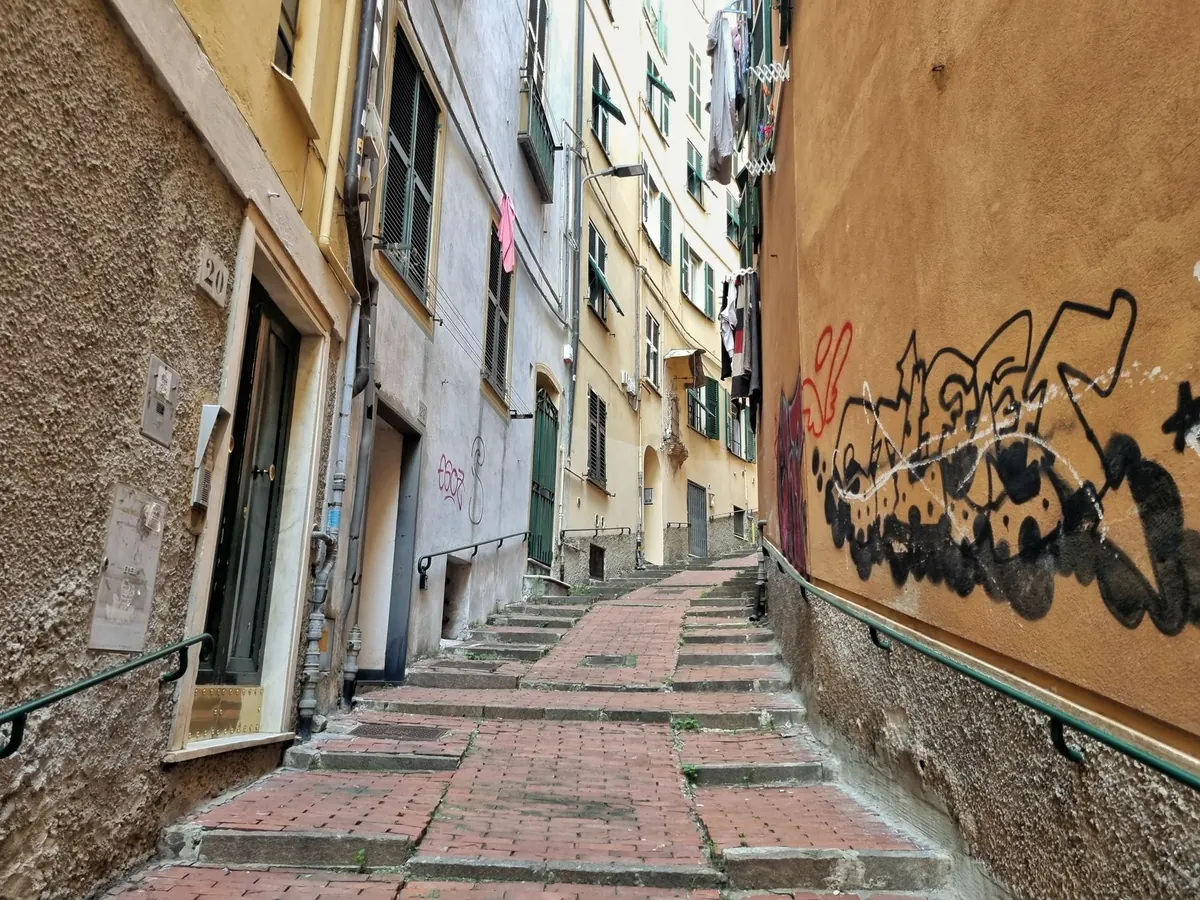
Street Art Etiquette in Italy: 7 Common Mistakes Visitors Make
You spot it from thirty metres away: a five-storey face staring down a side street in Rome's Quadraro, a sprayed saint above a scooter repair shop in Naples, a fish the size of a bus on a Milanese corner. You cross the road, camera up, and within a minute you have done three things that make the person whose front door sits behind you sigh. None of it is malicious. Almost all of it is avoidable.
Street art in Italy lives inside working neighbourhoods, not inside galleries. The walls belong to housing cooperatives, parish councils, families and, sometimes, nobody at all. Learn the unwritten rules and you will see more, shoot better and be welcomed back.
1. Walking Into Spaces That Aren't Yours
An open gate is not an invitation. In Italy, a low wall, an unlatched door and a courtyard with a drying rack are all signs of private ground, and plenty of the best work sits on exactly that kind of property — the internal courtyard of a palazzo, the back of a condominium block, the wall of a social club.
The test is simple: if you would hesitate to walk in carrying a sofa, do not walk in with a camera. That rules out rooftops, stairwells, railway sidings and the ex-industrial buildings that photograph so beautifully and collapse so quietly. Scaffolding and renovation sites are worse still — the crew has enough to worry about without a visitor appearing at the third floor.
If a gate is open and a piece is clearly visible, shoot from the threshold. If you really want to go in, find someone who looks like they live there and ask. A smile and "posso?" does more than any amount of creeping.
2. Touching the Paint
Nobody means to. You lean a shoulder against the wall while posing, your backpack brushes a corner as you pass, a fingertip goes out to check whether the surface is really as matte as it looks. It is, and now there is a mark.
Spray and acrylic layers are thinner than visitors expect. Skin oils darken pigment, edges chip, and a single palm print on a pale background stays visible for years. Keep roughly half a metre back when photographing, take the bag off before squeezing past a mural in a narrow alley, and resist the urge to rest a hand on a painted ledge while you change a lens.
Heat matters too. In July, a dark painted wall in direct sun is not a place to steady yourself. Neither is a freshly finished piece — if the air still smells of solvent, the artist is probably nearby and probably not finished.
3. Getting the Flash Wrong
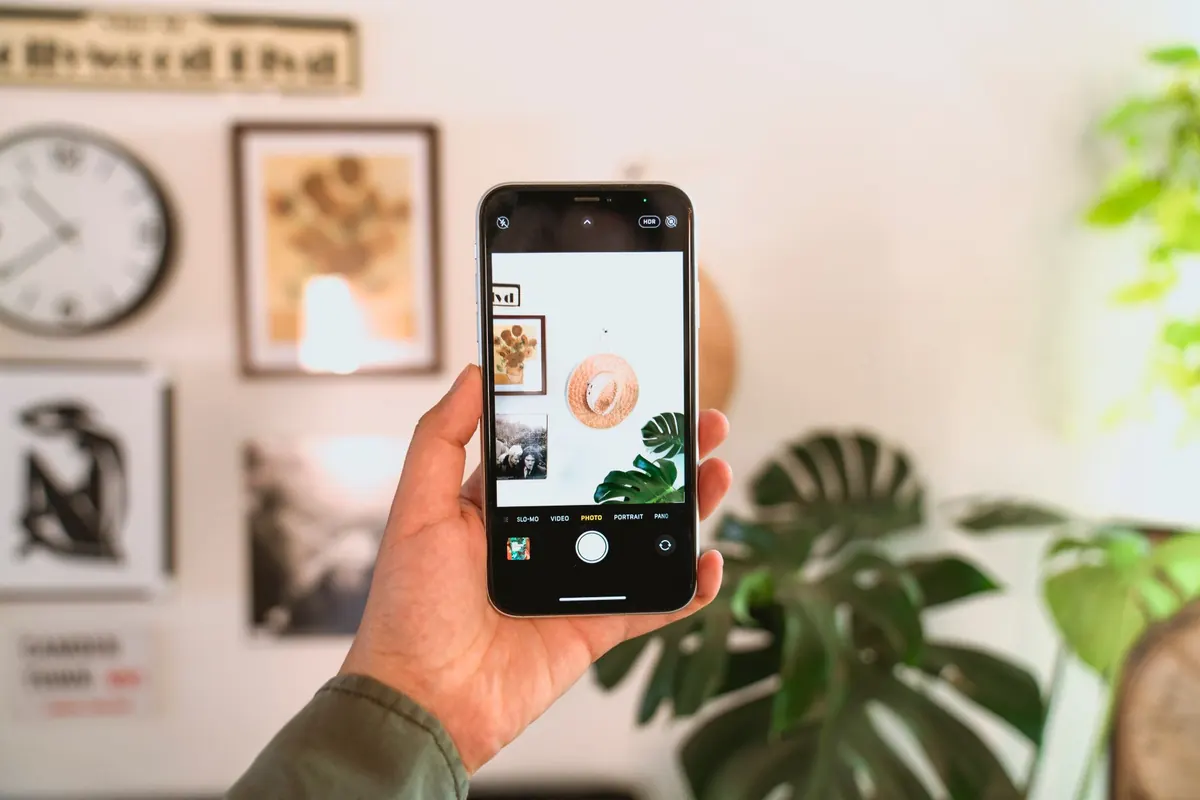
Flash has two problems. It flattens colour and kills the depth that makes a big wall feel big, and in a narrow vicolo it lights up every window on the street. At eleven at night, that is not a photographic choice; it is a disturbance.
Worse is interrupting an artist at work. Some paint after dark under their own lamps, and a burst of flash ruins their night vision and their concentration. A few simple habits cover most situations:
- Keep the flash off in alleys, courtyards and anywhere people are sleeping or eating.
- Brace yourself against a wall that is not painted, or use a small tripod with rubber feet, and never lean a tripod on the artwork.
- Ask before filming, especially if a piece is in progress.
- Check local rules before flying a drone over a built-up area — most Italian cities restrict it, and neighbourhoods are not an exception.
4. Photographing People as Part of the Wall
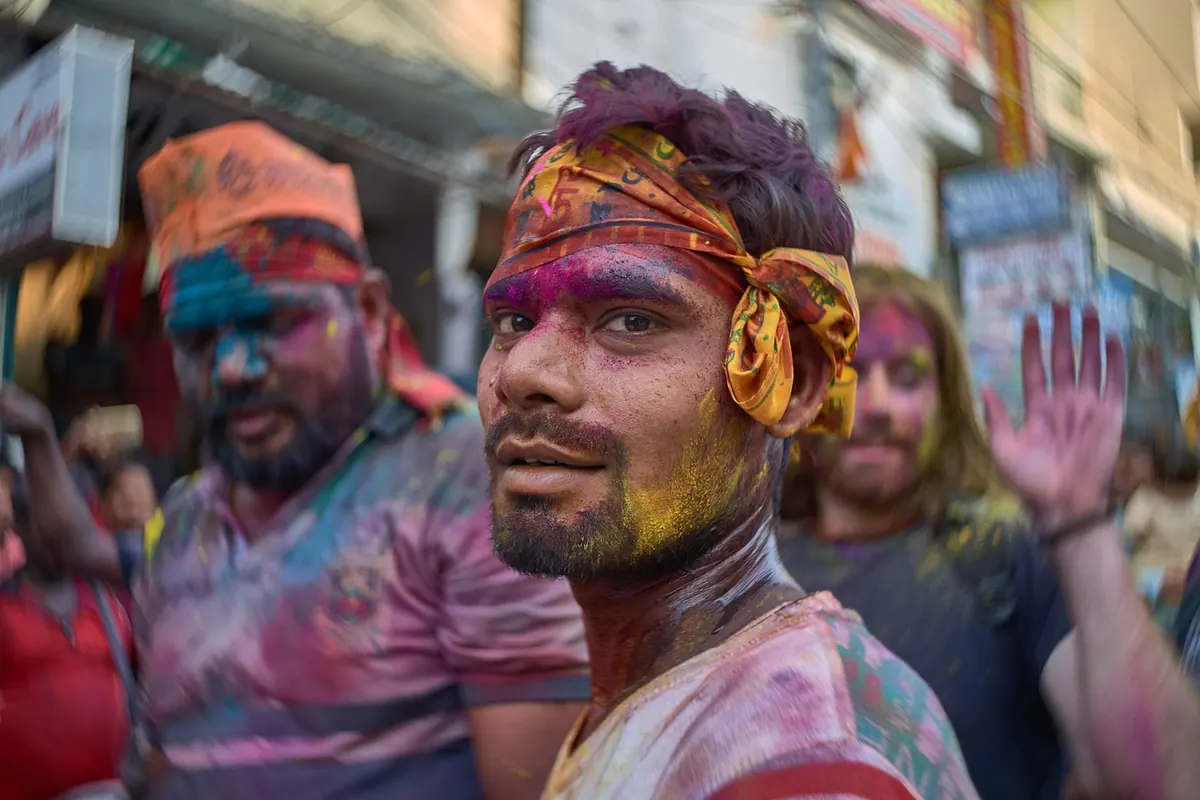
The woman at the second-floor window, the kids playing football against a painted garage door, the artist halfway up a ladder: they are not scenery. Ask, with words or a gesture. "Posso?" is enough, and so is pointing at the camera and raising an eyebrow.
If someone turns away or lifts a hand, that is the answer, and it is final. Do not publish close, identifiable pictures of children. If a photograph might end up on a website or a feed, get a name and a way to reach the person, and delete the shot if you are later asked to.
5. Forgetting to Credit the Artist
A photograph with the signature cropped out, posted as "found this in Rome", is the most common small theft in street art culture. The piece took someone days; the caption takes ten seconds.
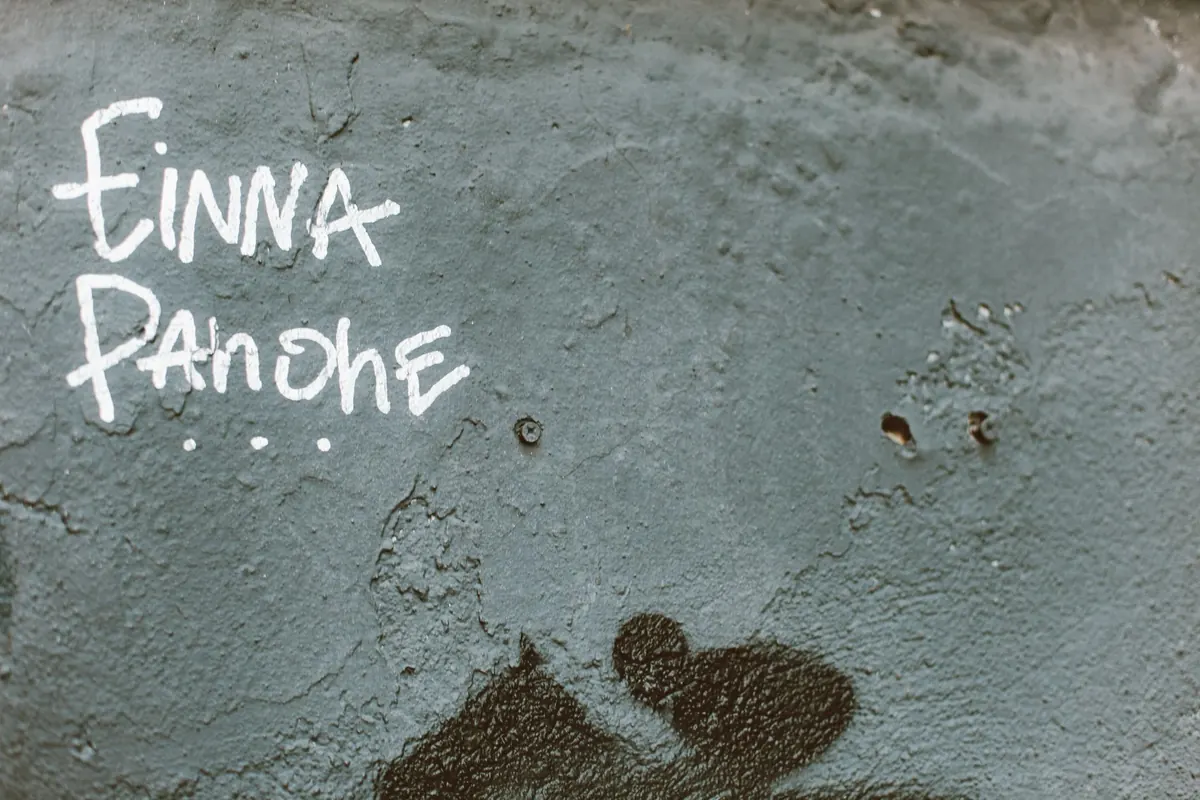
Shoot the signature along with the wall, note the street and the date, and use the artist's tag exactly as written. If you genuinely cannot identify the work, say that rather than guessing a name. And credit the people who made the wall possible — the residents' committee, the association that secured permission, the family who lent their facade. In places like Tor Marancia, Ortica or the Quadraro, those relationships took years to build.
When a local tells you the story behind a piece, enjoy it. Just do not repeat it as fact without checking, and never publish someone's address or a private courtyard as a location pin.
6. Treating the Street as Your Living Room
Tripods across a two-metre alley, a group pose that blocks a doorway, a picnic on a doorstep, a speaker call at midnight. These are the complaints you hear from residents in the Quartieri Spagnoli or around Palermo's Ballarò, and they are fair ones.
Step to the side when you stop to shoot. Fold the tripod when someone needs to pass. Keep voices low after dark, and remember that a street with murals is still a street with a funeral, a school run and a church service. The easiest courtesy in the world: buy a coffee or a slice from the bar whose wall you have been photographing for twenty minutes.
7. Trying to Fix, Add to, or Rescue a Wall
Do not scrub out a tag, add your own sticker, peel back a flake "to see the layer underneath", or touch up faded colour. Street art is usually allowed to age, and that decay is part of the work's life. Your correction is somebody else's damage.
If you see a piece being defaced, do not confront anyone. Note the time, take a discreet photo if it is safe, and tell the artist or the local association that arranged the wall. And if you are the one being asked questions about who painted what on whose property, remember that permission, ownership and liability vary from place to place: take local advice rather than acting on assumption.
A Short Field Guide Before You Set Out
- Ask before crossing a threshold, and accept the first no.
- Keep your hands, bag and tripod off the paint.
- Kill the flash in alleys and around people at work.
- Ask before photographing faces, and never post identifiable pictures of children.
- Capture the signature, the street and the date; name the artist when you share.
- Keep the pavement clear and the volume down after dark.
- Leave every wall exactly as you found it.
None of this requires expertise. It requires about ten seconds of thought per wall, and the payoff is considerable: artists who are happy to talk, residents who point you toward the piece you would otherwise have missed, and a neighbourhood that treats your return as a good thing.
Photo: Aliguieri / Pexels